"Social media" is dead. Long live social media
Every time someone says "young people aren't engaged with politics," what they really mean is "young people aren't engaged with MY politics."
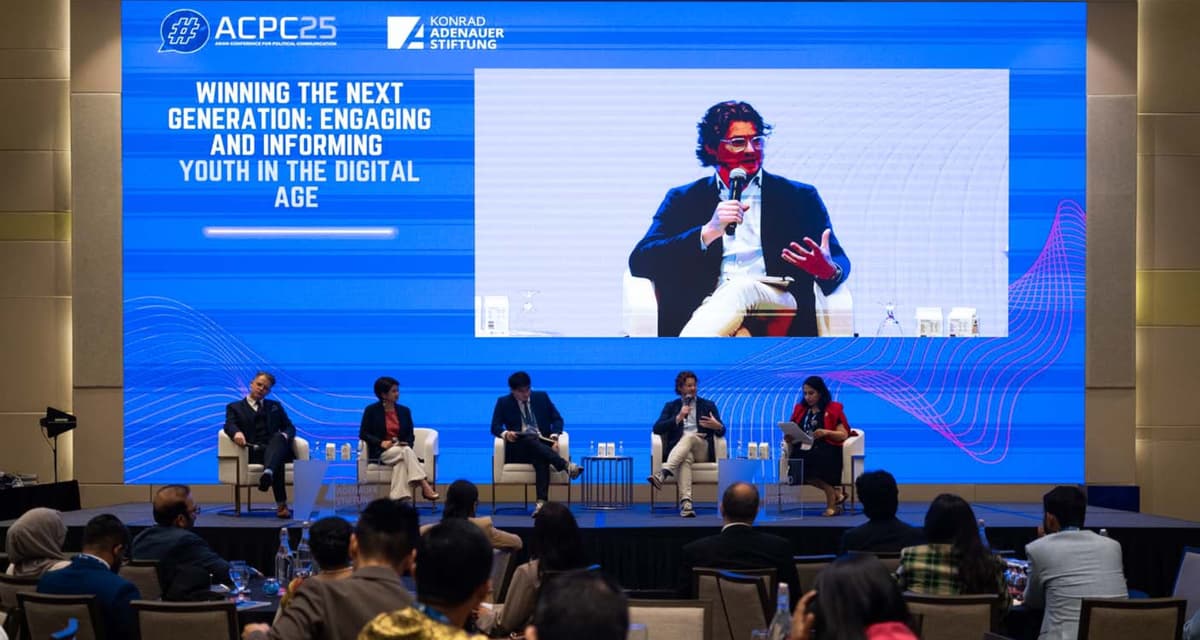
I was at the Asian Conference on Political Communications in Singapore last week, on a panel about winning the next generation. The conversation kept circling back to the same question: why do some political movements ride waves of youth support while others drown?
The answer isn't complicated. It's just uncomfortable for most political operators to hear.
You're not competing with other politicians
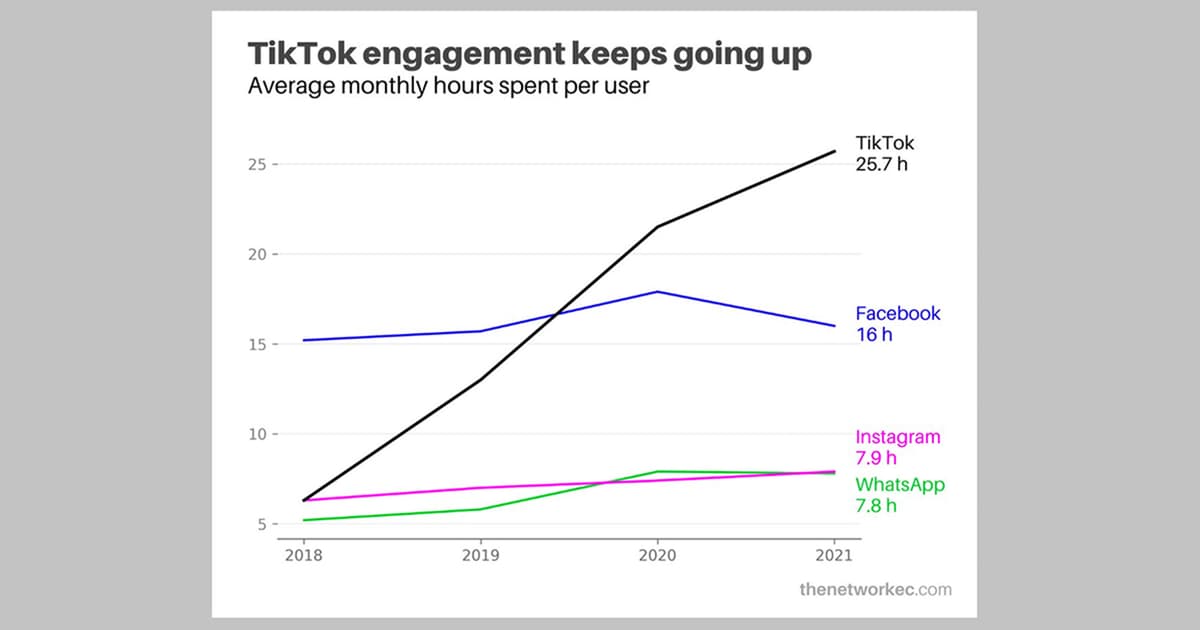
Politicians think their competition is the other party. It isn't. They're competing for space in the feed against MrBeast, Taylor Swift, Manchester United highlights, and whatever brain-rot video game clips are trending this week.
This isn't a metaphor. It's literally how the algorithm works. A 22-year-old scrolling TikTok will see your policy announcement sandwiched between a makeup tutorial and a clip of someone falling off a skateboard. You have the same two seconds to earn their attention as everyone else.
To succeed, campaigners need to be at least as interesting as the entertainment they're competing against. Most aren't even close.
"Responsible social media" cuts both ways
Commentators spend enormous energy discussing responsible social media tactics. Misinformation. Foreign interference. Platform manipulation. All legitimate concerns.
But almost nobody talks about the democratic responsibility that politicians have to present their pitch to voters in a way people can actually understand and care about, on the platforms they use every day.
MPs being on TikTok shouldn't be a "clever campaigning tactic." It should be the bare minimum. If you're not where the voters are, you're not really trying to reach them. You're just performing politics for people who already agree with you.
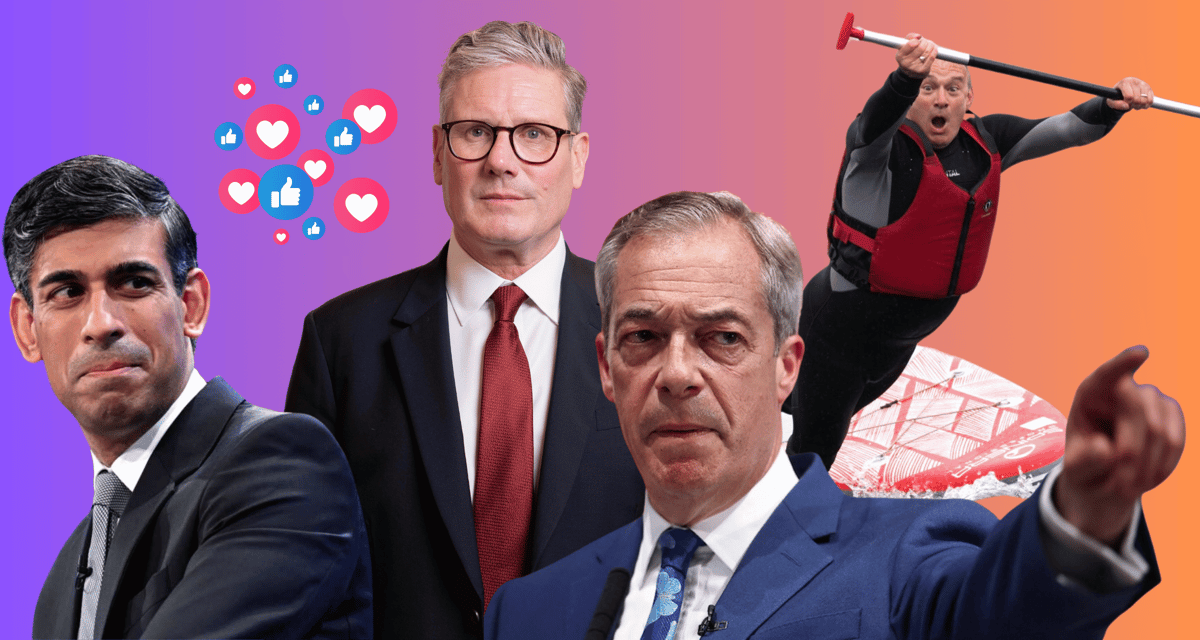
Reform UK understood this. Nigel Farage's TikTok presence dwarfed every other party leader's in the last UK election. You can disagree with everything he stands for and still recognise that he's playing a different game than his competitors.
The term "social media" is basically dead
Here's what happened in Nepal last month.
The government tried to ban TikTok, Facebook, YouTube, and two dozen other platforms. Young people didn't log off. They moved to Discord.
What started as chat rooms turned into debates, then votes, and ultimately the rise of Sushila Karki, a 73-year-old former Chief Justice, now sworn in as interim PM. A gaming app became a parliament.
This is where the conventional understanding of "social media" breaks down completely.
In 2025, saying social media means X, Facebook, Instagram and TikTok is deeply inaccurate. Policy discussions happen on WhatsApp. Political organising happens in gaming chatrooms. Discord servers have more civic engagement than most town halls.
WhatsApp is now the UK's fourth largest news source. Facebook has overtaken the BBC. Half of the top ten most-consumed news sources are now social platforms.
Either we use "social media" as an umbrella term for anywhere people can share content and message each other, or we stop using the term entirely. The current definition is useless.
Platform bans are whack-a-mole
The Nepal case makes something obvious that governments keep failing to understand.
Take away TikTok, they move to Instagram. Block Instagram, they switch to Discord. Shut down Discord, they'll use a football forum or the chat function in Call of Duty.
Once a society has learned how to coordinate online, you can't put that knowledge back. The habit of organising, mobilising, and making decisions together digitally is now muscle memory. Banning apps is like trying to ban conversations in a town square. You're not stopping the conversation. You're just moving it somewhere you can't see.
That's why platform bans are a pointless game. They don't restore order. They fuel unrest by forcing people onto platforms with even less moderation and oversight.
What this actually means
For political campaigns, the implications are straightforward but painful.
You need to be everywhere your voters are, which increasingly means places that don't look like traditional political battlegrounds. Gaming platforms. Messaging apps. Whatever comes next.
You need content that competes for attention against professional entertainers, not just other politicians.
And you need to stop thinking about "social media strategy" as a separate workstream. Every digital space is now social. The distinction has collapsed.
The genie is out of the bottle. The question isn't whether to engage. It's whether you're engaging on terms that might actually work.
Enjoyed this? I write occasionally about politics, tech, and media.