The thing you call social media hasn't been social for years
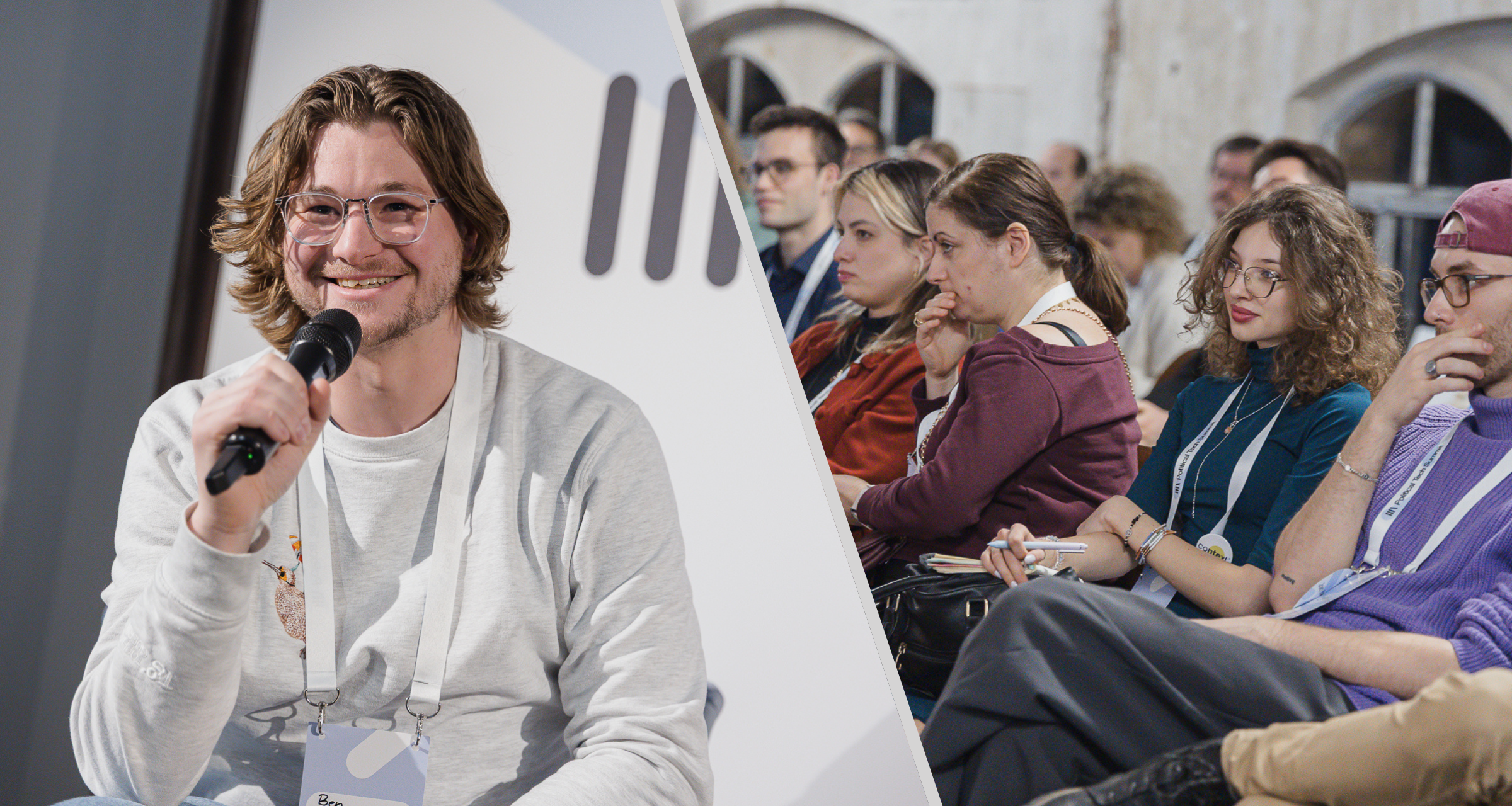
At the Political Tech Summit in Berlin last week, I was asked to debate whether social media is dying.
My answer: it's the wrong question. Social media, in the sense that your friends recommend stuff to you, died in 2022. What replaced it is something different. More powerful. And most campaigns haven't caught up.
2022: the year your friends stopped mattering
Four things happened that year:
- Instagram surrendered. Went full TikTok. Your feed filled with Reels from strangers. The Kardashians complained. Meta didn't care. They'd seen the data: your friends are boring. Dopamine-optimised strangers are not.
- Meta posted its first revenue decline. First drop since the 2012 IPO. TikTok had proved you could dominate attention without a social graph. Friends became a liability, not an asset.
- Twitter became X. Musk bought it. The "town square" became a construction site. The conversation didn't stop. It scattered across Threads, Bluesky, Mastodon, Telegram. One public square broke into a thousand private rooms.
- TikTok overtook Google. Most visited domain on earth. Gen Z started using it as a search engine. Discovery stopped being something you do. It became something that happens to you.
By the end of 2022, the social graph was dead. Your friends no longer shaped your feed. The algorithm did.
What replaced it
What we call "social media" now is algorithmic media with a comments section.
It's defined by three characteristics:
- Algorithmic, not social. Your feed is shaped by what keeps you scrolling, not who you know. The platform doesn't care about your friendships. It cares about your attention.
- Global feedback loop. A video can reach 50 million people in 48 hours. Not because of who shared it, but because the algorithm decided it was engaging. No gatekeepers. No friction. Instant global distribution.
- Content consumption with comments. It's television you can reply to. The "social" part is residue from an earlier era. The product is content. Your role is to consume it.
This isn't weaker than the old model. It's stronger. The reach is bigger. The feedback loops are faster. The potential for something to explode is higher than ever.
But it requires a completely different playbook.
Three hard truths for anyone doing campaigns or comms
1. The EU is regulating yesterday's war
European regulatory frameworks assume platform boundaries that increasingly don't exist.
I've worked on campaigns in more than 40 countries. The real action has moved to places most western observers aren't watching: WhatsApp broadcast groups in Latin America and South Asia. Telegram channels in Eastern Europe. Discord servers everywhere. Gaming lobbies where political arguments happen between matches.
The EU is writing rules for Facebook and TikTok. Meanwhile, organising has migrated to platforms those rules can't touch.
How do you regulate political advertising on Discord? On Telegram? On a football forum?
You don't. And by the time the frameworks catch up, the battlefield will have moved again.
This doesn't mean regulation is pointless. But anyone who thinks ad bans on Meta and Google will clean up political discourse is missing where the discourse actually happens.
2. When you can't buy reach, you have to earn it
European campaigns can't throw money at Meta and Google the way US campaigns can. Ad bans and spending limits mean paid distribution is capped or blocked entirely.
So what do you do instead?
First: invest in what you're saying, not just how you distribute it.
When you can't outspend, you have to out-create.
Zohran Mamdani beat the Cuomo machine in New York City on a fraction of the budget. How? Content that was genuinely worth sharing. His team posted moments from that morning, not last week. It felt like momentum because it was momentum. Voters saw authenticity because it was authentic.
The lesson isn't "be more authentic." Everyone says that. The lesson is: speed and specificity create authenticity. Generic content scheduled three weeks in advance will never compete with something that happened this morning.
Second: build distribution infrastructure that algorithms can't throttle.
WhatsApp groups. Telegram channels. Discord servers. Email lists. Volunteer networks with phones.
These aren't backup channels. In a post-ad-ban world, they're primary.
The algorithm can't throttle a WhatsApp forward. A Telegram broadcast reaches everyone who subscribed. This is owned distribution versus rented distribution.
Campaigns that build community infrastructure now will have an asset that compounds. Campaigns relying on algorithmic reach are renting attention they don't control, on platforms that can change the rules overnight.
3. AI isn't the problem. Publishing without judgement is.
My co-panellist Clare O'Donoghue Velikić was sceptical about AI in political comms. Understandably. 44% of LinkedIn content is now AI-generated. Most of it is slop.
But the AI debate is missing the point.
The question isn't whether to use AI. Every campaign will. It's too useful not to. Research at 2am. Rapid response drafts in minutes. Briefing docs synthesised from dozens of sources.
The question is whether you have people with the judgement to know what's worth publishing.
The 44% of LinkedIn that's AI slop exists because people publish the raw output. No filter. No taste. No sense of whether it's good or garbage.
The campaigns winning right now use AI for preparation, not publication. They let it do the heavy lifting on research and first drafts. Then they add the human layer: real names, real places, things that happened that morning. The specific details that couldn't have been generated by a machine.
The skill isn't prompting. It's editorial judgement. It's taste.
And taste is the one thing you can't automate.
What this means
Social media isn't dying. But the thing we called social media, the thing where your friends mattered and the feed was shaped by your connections, that's been dead for four years.
What replaced it is a global algorithmic content engine. It's faster, more powerful, and completely indifferent to your social graph.
The campaigns that win from here will be the ones that understand three things:
Regulations are chasing a ghost. Build for where the conversation actually is, not where policymakers think it should be.
When you can't buy attention, you have to earn it. That means better content and owned distribution channels.
AI changes the speed of the game, not the nature of it. The differentiator is still human judgement. Taste still wins.
The Political Tech Summit asked if social media is dying. The more honest answer: it died in 2022. The interesting question is what you're going to do about it.
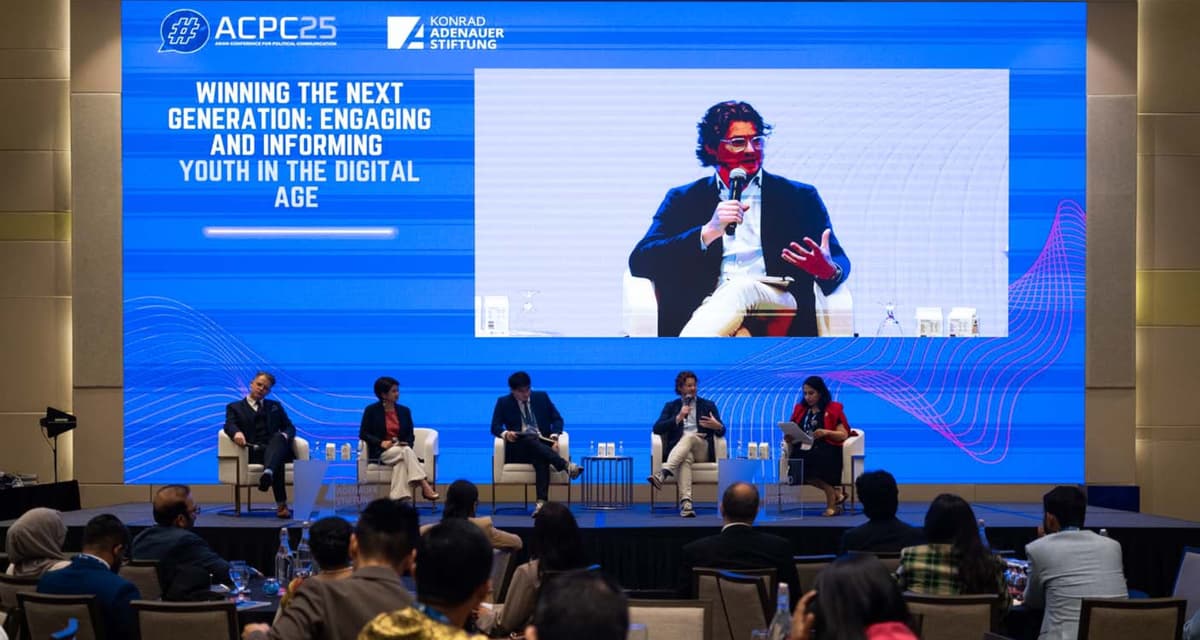
I spoke alongside Clare O'Donoghue Velikić at the Political Tech Summit in Berlin, January 2026. The panel was moderated by Benjamin Läpple.
Enjoyed this? I write occasionally about politics, tech, and media.